Developer Diaries
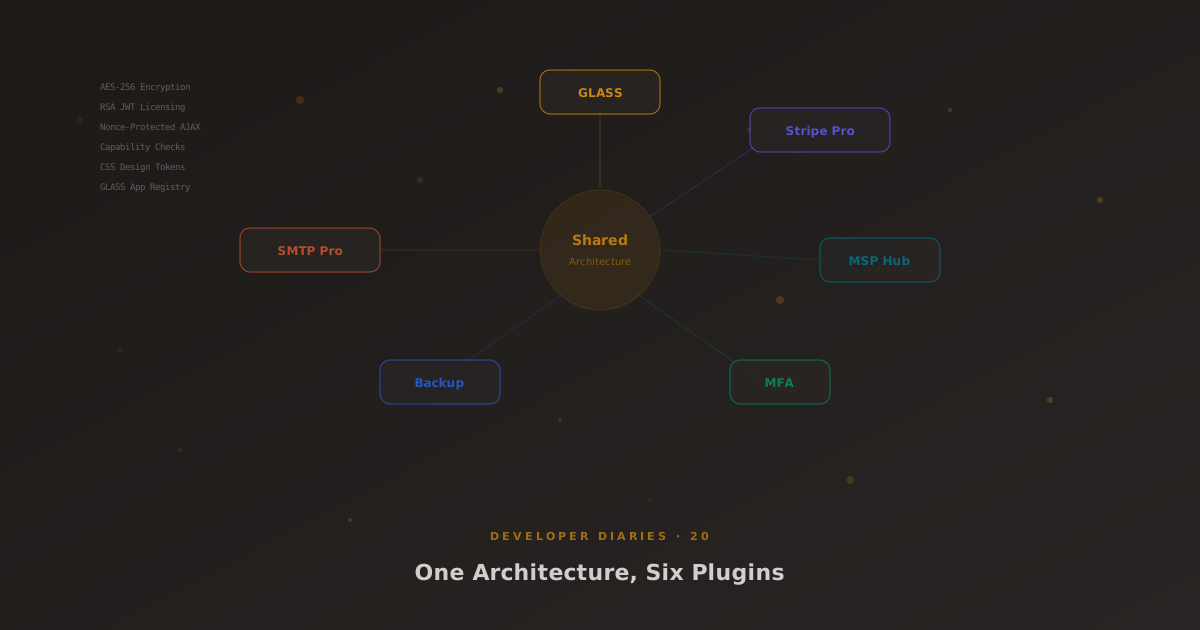
One Architecture, Six Plugins
How six WordPress plugins share one security model, one UX system, and one licensing infrastructure — and why that matters.
Read
How six WordPress plugins share one security model, one UX system, and one licensing infrastructure — and why that matters.
Read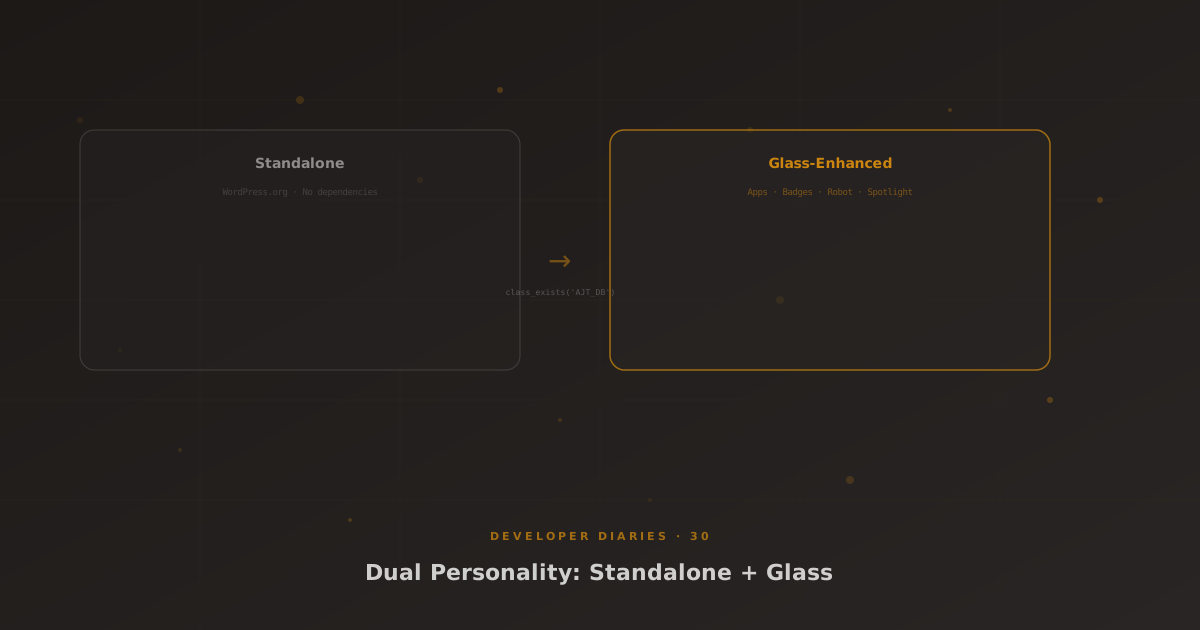
The design pattern behind Conflict Detector and Fortify: work perfectly alone, become better with Glass. How dual-personality architecture enables WordPress.org distribution.
Read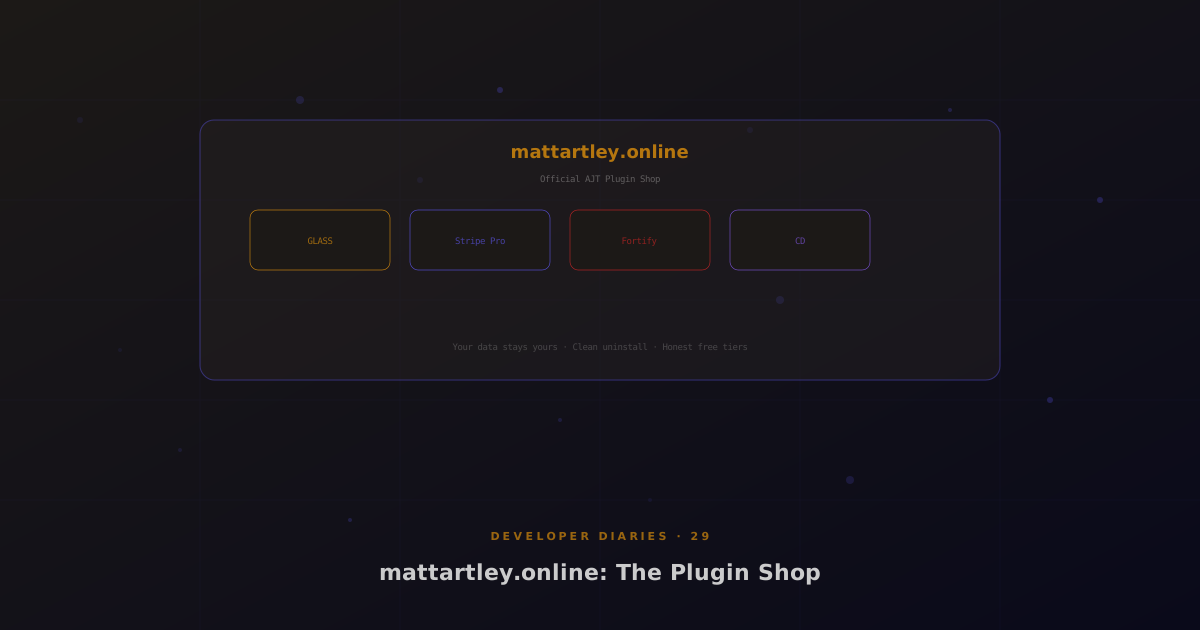
How Stripe Pro powers the official AJT plugin shop, with the subscription portal, license key management, and the plugin promise that guides everything we build.
Read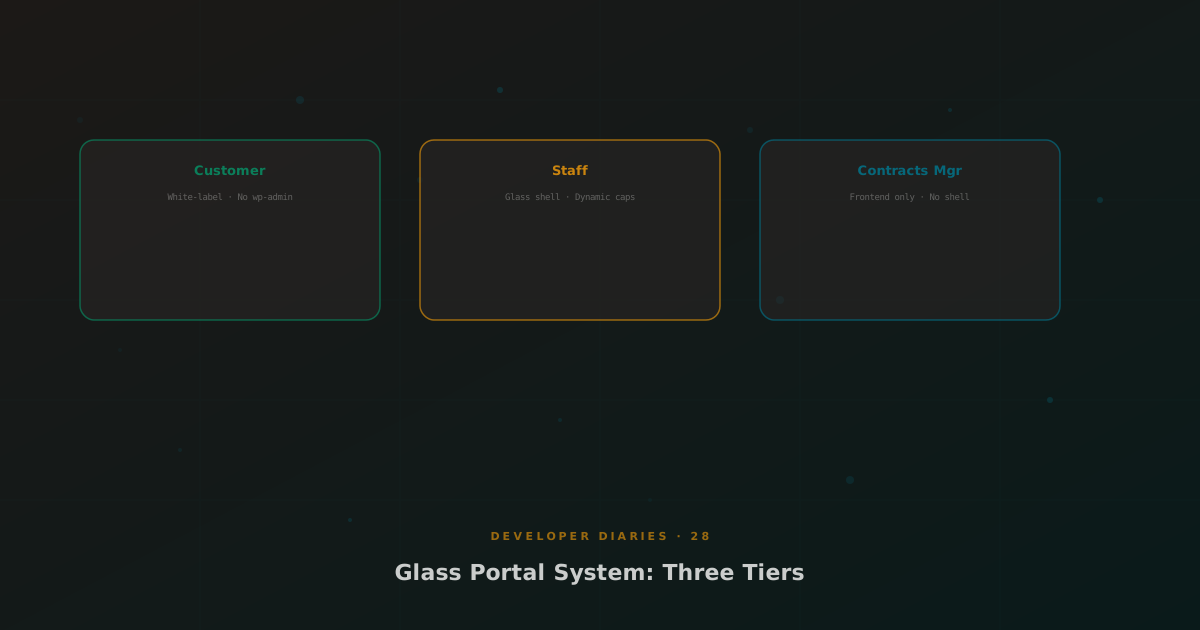
Customer portals, staff portals, Contracts Managers. Dynamic capability grants, role-based Glass shell access, and per-app visibility control.
Read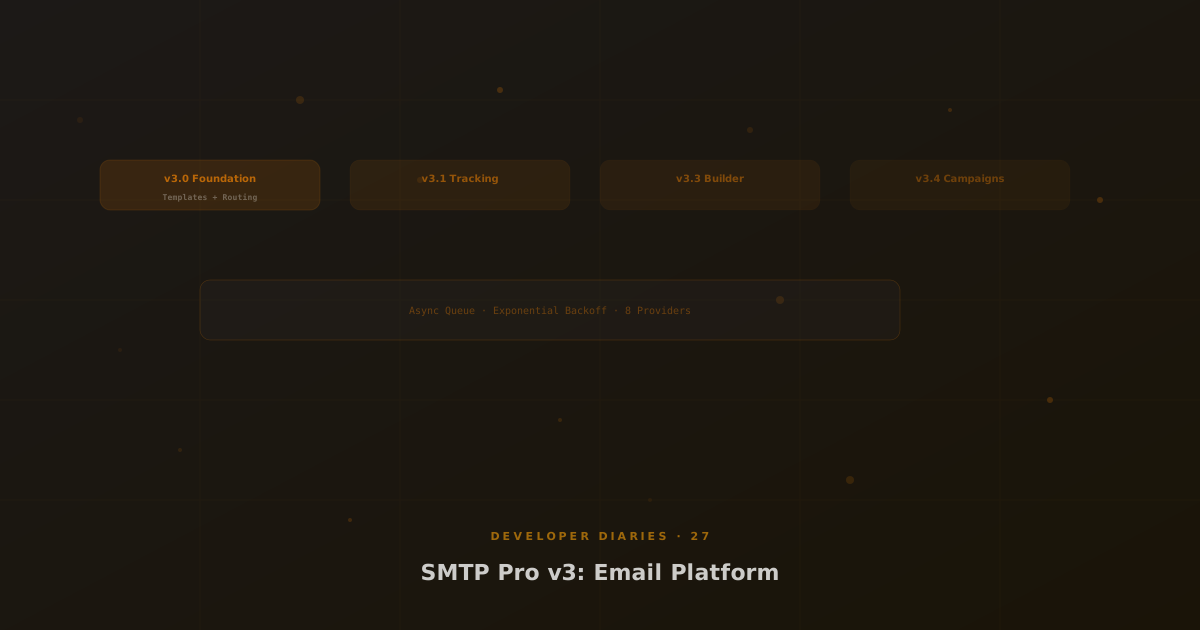
Async queue with exponential backoff, webhook delivery tracking, suppression lists, notification routing, and a visual template editor. The v3 roadmap.
Read
10+ security scans with one-click remediation and a visual Nginx directives generator for Plesk. Because .htaccess is useless on Nginx.
Read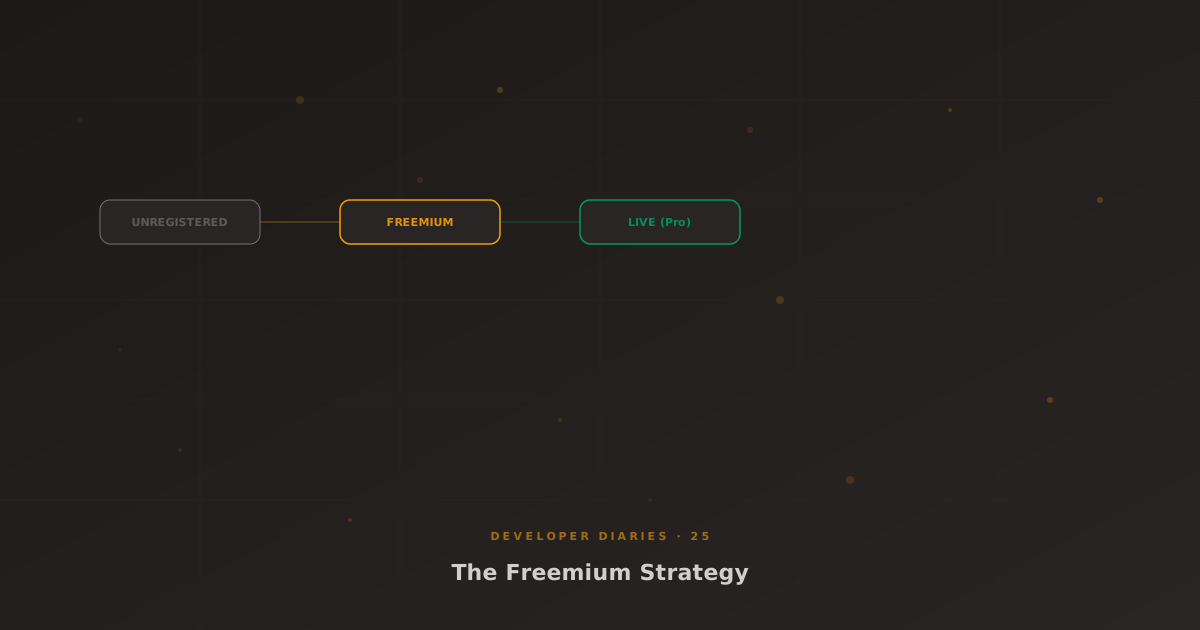
How we designed a licensing architecture that supports genuinely useful free tiers with no phone-home required, no nag banners, and honest upgrade paths.
Read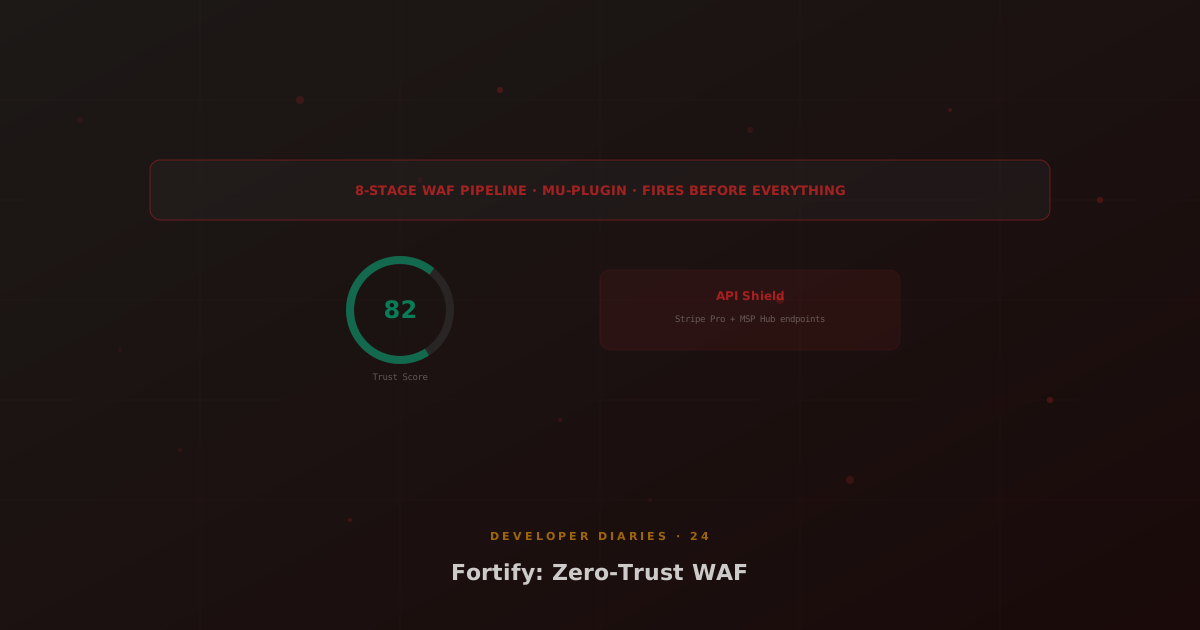
An 8-stage WAF pipeline that fires before WordPress loads. Zero-trust scoring, API Shield, MFA step-up auth, and file-based kill switches for safety.
Read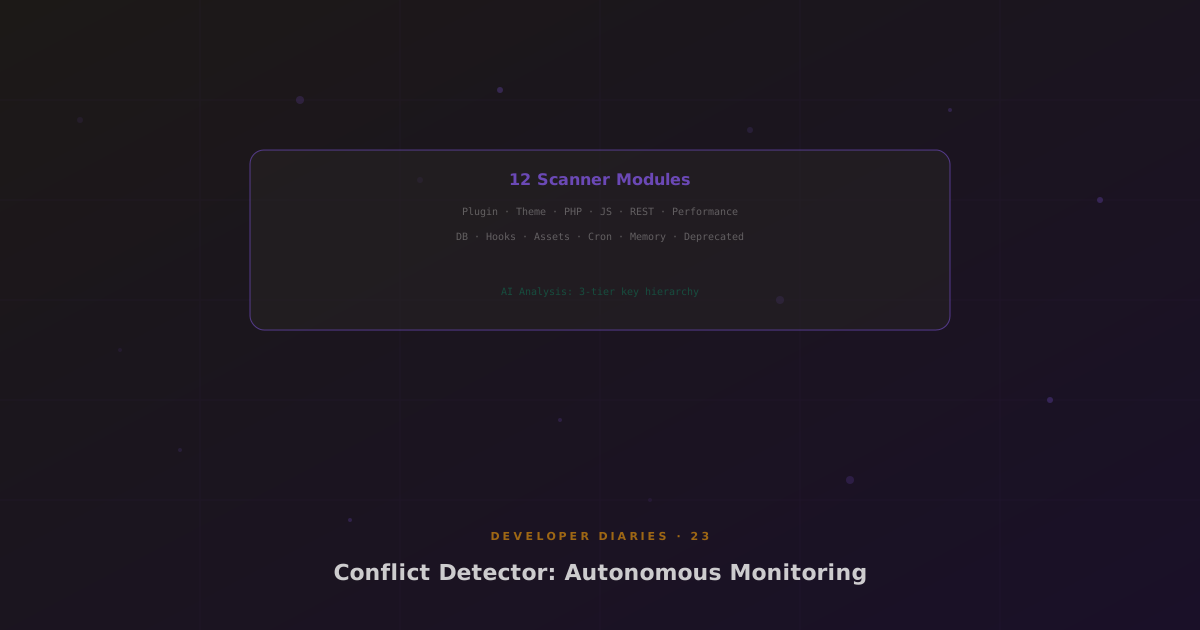
12 scanner modules, continuous background monitoring, AI-powered analysis. Because "disable all plugins and re-enable one by one" is insane.
Read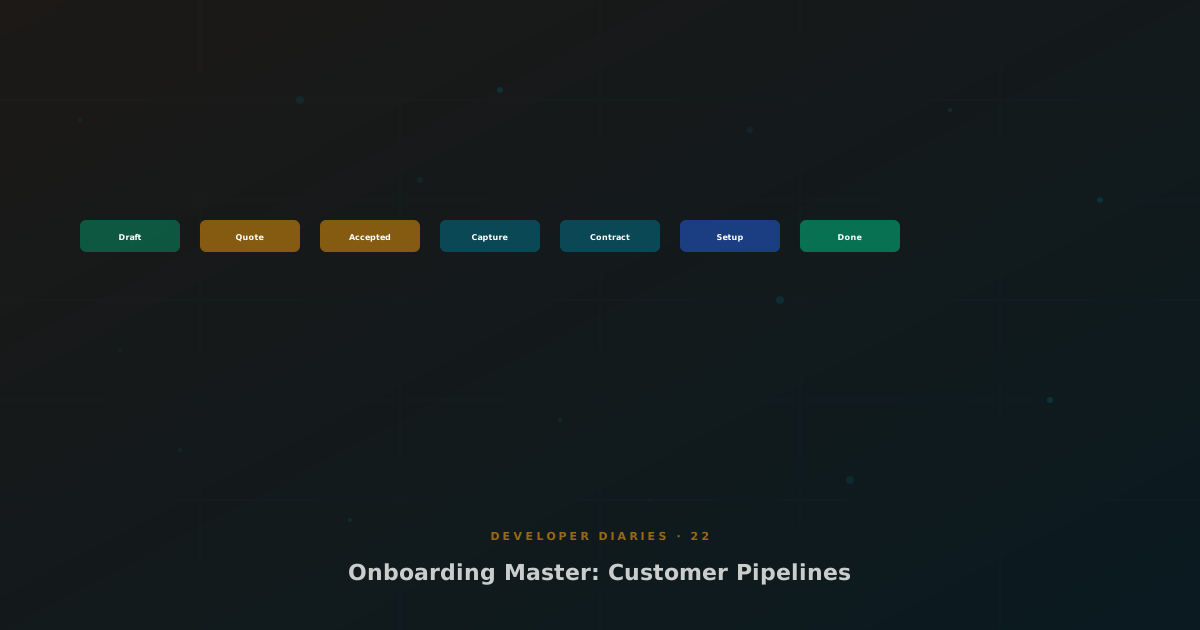
11 pipeline stages connecting quotes, forms, contracts, and service setup into one tracked workflow. No new systems, just glue between existing ones.
ReadWe use cookies to enhance your experience on Matt Artley Online. You can choose which categories to allow below.